


What Muscles Do Squats Support?
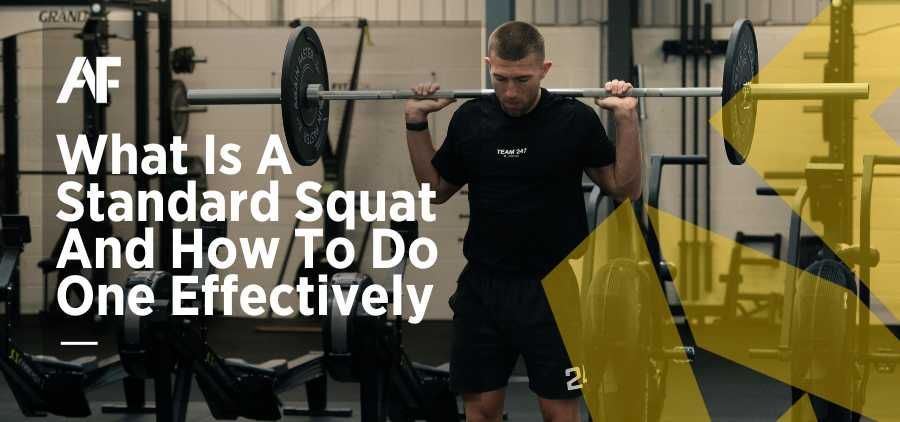
Squats are a powerhouse exercise that engages multiple muscle groups. Primarily, squats target the quadriceps, hamstrings, glutes, and calves. The movement also engages the core muscles, including the lower back and abdominals, to stabilise the body.
Squats activate muscles in the upper body too which support the spine, and even the shoulders and arms if you're using additional weights. This makes squats an incredibly efficient exercise for overall muscle development and strength.
The Different Types of Squats
There are several variations of squats, each targeting the muscles slightly differently and offering unique benefits:Bodyweight squats: These are performed without any additional weight. They're great for beginners to master the form and for those looking to improve muscular endurance.
Barbell squats: This variation involves a barbell placed across the shoulders. It’s excellent for building strength and muscle mass in the lower body.
Overhead squats: In this advanced variation, the barbell is held overhead, demanding greater flexibility, balance, and shoulder stability.
Goblet squats: Performed by holding a weight (like a kettlebell or dumbbell) close to the chest, these squats help improve upper body posture while squatting.
Front squats: Here, the barbell is held in front of the shoulders, which shifts the centre of gravity and targets the quads more intensely.
How To Squat Safely
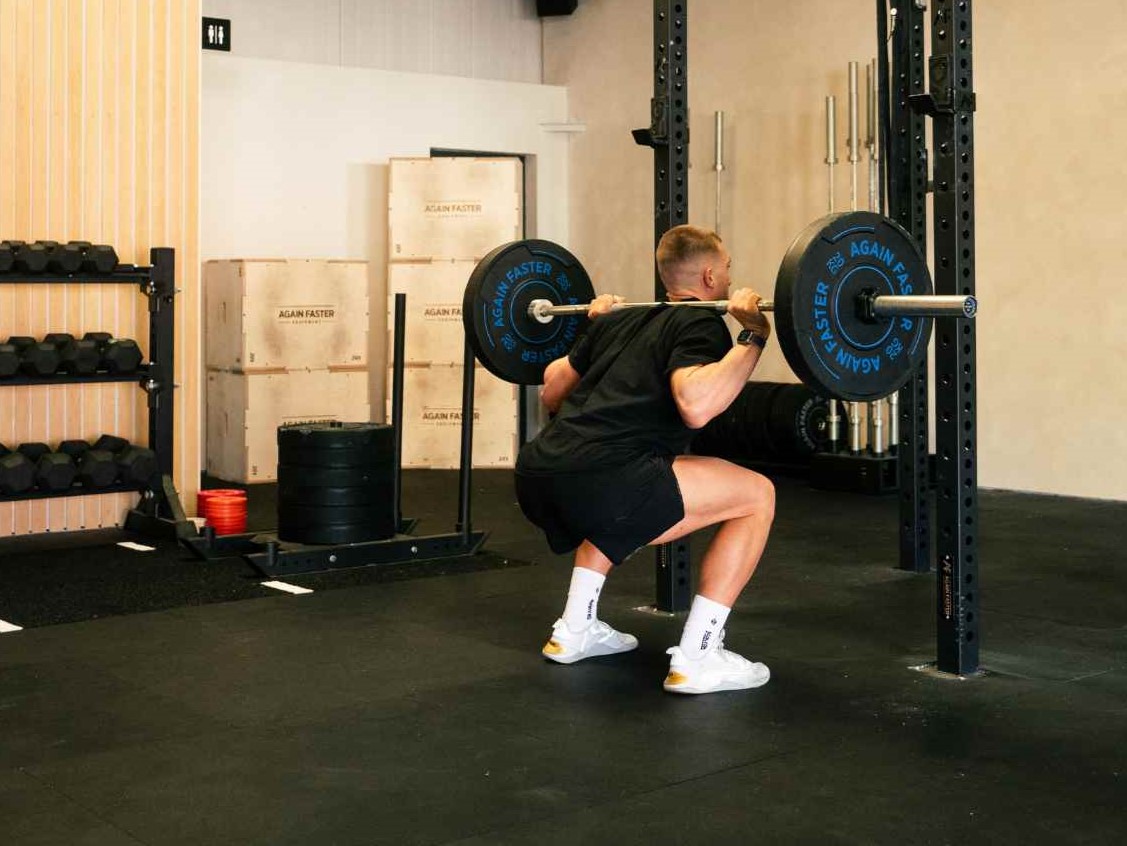
Proper form is crucial to performing squats safely and effectively. Here’s a step-by-step guide:1. Set up: Stand with your feet shoulder-width apart, toes slightly turned out. Engage your core muscles to stabilise your spine.
2. Lowering phase:
- Push your hips back as if you're sitting into a chair.
- Bend your knees, keeping them in line with your toes.
- Keep your chest up and shoulders back to maintain a neutral spine.
- Lower yourself until your thighs are at least parallel to the floor. Go deeper if your flexibility allows without compromising form.
- Drive through your heels to stand back up.
- Straighten your knees and hips to return to the starting position.
- Maintain a steady tempo and avoid locking your knees at the top.
- Letting your knees cave inwards.
- Allowing your heels to lift off the ground.
- Bending forward excessively at the waist.
How Much Should You Be Able to Squat?
The amount you should be able to squat varies based on factors like age, gender, fitness level, and training experience. A general guideline is that a healthy, active adult should be able to squat their bodyweight.
Beginners may start with a fraction of their bodyweight, focusing on form and gradually increasing the load. Intermediate lifters might aim for 1.5 times their bodyweight, while advanced lifters could target twice their bodyweight or more.
Always prioritise form over weight to prevent injury.
Equipment to Help with Squats
Using the right equipment can enhance your squat performance and safety, especially if exercising by yourself in a home or garage gym set-up:- Squat racks and power racks: Squat stands and power racks provide a secure platform to perform barbell squats. They often come with adjustable safety bars to catch the weight if you need to bail out.
- Squat stands: Ideal for home gyms, squat stands are adjustable and can support various squat variations.
- Weightlifting belts: Weightlifting belts help stabilise the lower back and core during heavy lifts.
- Knee sleeves and wrist wraps: Provide additional support and reduce the risk of injury.
Squats are a cornerstone exercise in any strength training programme. By understanding the muscles involved, exploring different squat variations, adhering to proper form, setting realistic strength goals, and utilising supportive equipment, you can safely and effectively incorporate squats into your fitness routine.
Happy lifting!