


Squats are one of the best core exercises for any weight training regime. Whether you’re just getting into fitness or are a weightlifting pro, squats will form an important part of your fitness strategy.
But how much should you be able to squat? What’s a good benchmark to aim for? Everyone is different and there is no specific answer here, but there are some good general rules of thumb to follow so you can set yourself achievable targets to smash in the future.
But before we look at how much you could be squatting, it’s useful to understand first what factors influence your limits now, and how to safely achieve peak performance.
Factors Influencing Your Squatting Performance
Your Age and Gender
Your Age and Gender
Age and gender play significant roles in determining your squatting capabilities. Typically, younger individuals have more potential for muscle growth and recovery, allowing them to handle heavier weights. As you age, your muscle mass and recovery rates may decrease, necessitating adjustments in your training intensity and volume.
Gender also influences squatting performance. Men generally have more muscle mass and higher testosterone levels, which can contribute to greater strength. Women, on the other hand, often have better flexibility and endurance, which can be advantageous in performing higher repetitions with moderate weights.
Your Weight, Health, and Mobility
Your body weight directly impacts how much you can squat. Generally, individuals with more muscle mass can lift heavier weights. However, excessive body fat can negatively affect your mobility and overall performance.
Health and mobility are crucial factors too. Good joint health and a full range of motion enable you to perform squats more effectively and safely. Poor health or mobility issues can limit your squatting potential and increase the risk of injury. Ensuring you have a solid foundation of overall fitness, including cardiovascular health, flexibility, and stability, is essential for optimal performance.
Your Experience
Experience in weight training is a major determinant of how much you can squat. Beginners typically lift lighter weights as they develop their strength, technique, and confidence. With consistent training, intermediate lifters can handle more weight as their muscles adapt and grow stronger. Advanced lifters, having honed their technique and built substantial strength over the years, can often lift heavier weights.
How Much You Should Be Aiming to Squat
It’s important to set realistic and safe goals for your squatting performance. According to guidelines from Men’sHealth, here are general targets for different levels of lifters:Beginners
For those new to squatting, a good starting point is to be able to squat around half of your body weight, building towards being able to squat your entire body weight over time.
This target helps in developing foundational strength and ensuring proper form. Once you’ve nailed this, you can begin building towards more aggressive weight targets.
Intermediates
Intermediate lifters, with consistent training and improved strength, can aim to squat 1 - 1.5 times their body weight. At this stage, lifters have usually developed a solid technique and can safely handle heavier loads.Experts
Advanced lifters, with years of training and experience, can target squatting 1.5+ times their body weight or more. These lifters have maximised their strength potential and perfected their squatting form. Remember, these are general guidelines. Individual capabilities vary based on numerous factors discussed earlier. The key is to set ambitious yet achievable targets that prioritise safety and fit into your overall fitness targets.How to Improve Your Squatting Performance
Improving your squatting performance involves a combination of proper nutrition, consistent training, and the right equipment. Here are some tips to help you enhance your squats:Nutrition and Overall Fitness
Maintaining a balanced diet rich in protein, healthy fats, and carbohydrates is essential for muscle growth and recovery. Staying hydrated and getting sufficient rest are also crucial components of an effective fitness regime. Incorporate cardiovascular exercises and flexibility training to support overall fitness and enhance your squatting performance.Gradual Progression
Increase the weight you squat gradually. Start with lighter weights to perfect your form and avoid injuries. As you become more comfortable and your strength improves, incrementally add more weight. This progressive overload is key to building strength and muscle.The Right Supporting Equipment
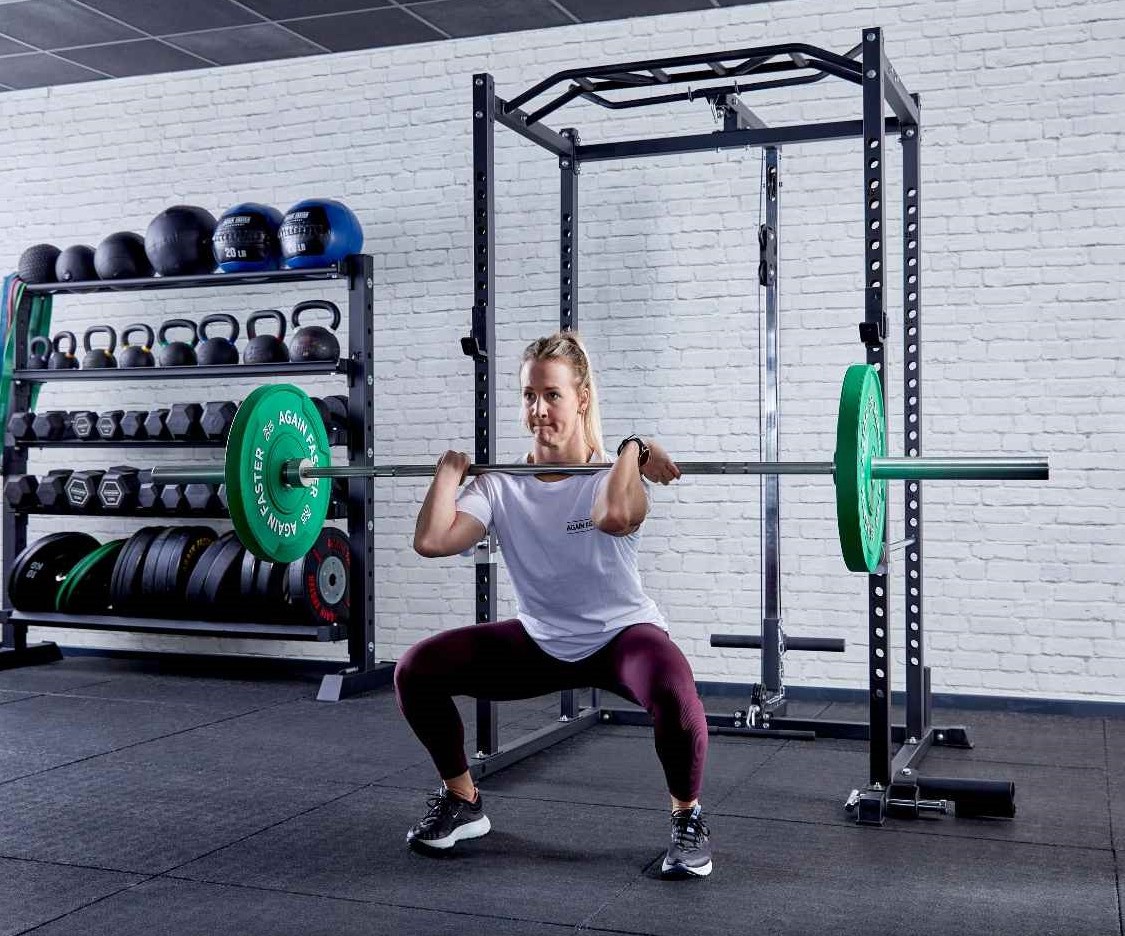
Using the right equipment can significantly impact your squatting performance and safety. Invest in quality squat stands and racks, which provide the stability and support needed for heavy lifts.
Setting realistic and safe squatting goals based on your weight, age, gender and experience is essential for a successful training regimen. By understanding the factors influencing your performance and following the guidelines for different experience levels, you can achieve impressive results over time. Prioritise proper nutrition, gradual progression, and the right equipment to enhance your squatting capabilities and overall fitness.
Happy lifting!